
Stay with Us | Downstream
Reflections from Western North Carolina after Helene

Saturday, October 5, 2024. I’m sitting steps away from the creek at home. Most days, the creek is sweet, gentle, and cold. Refreshing on a summer afternoon. Immersive medicine — that cold mountain water — come fall, through winter, well into spring. Carrying messages brought up from the earth somewhere high above and gathering as it wanders down the mountain.
Above me, this watershed is entirely national forest and national park land. The waters are more than likely untouched by human presence before they reach us. We’re the presence. We’re the touch. Our choices impact the ones who live on this creek downstream and the rivers beyond that, the animals that drink from it, the creatures who swim up and down its path.
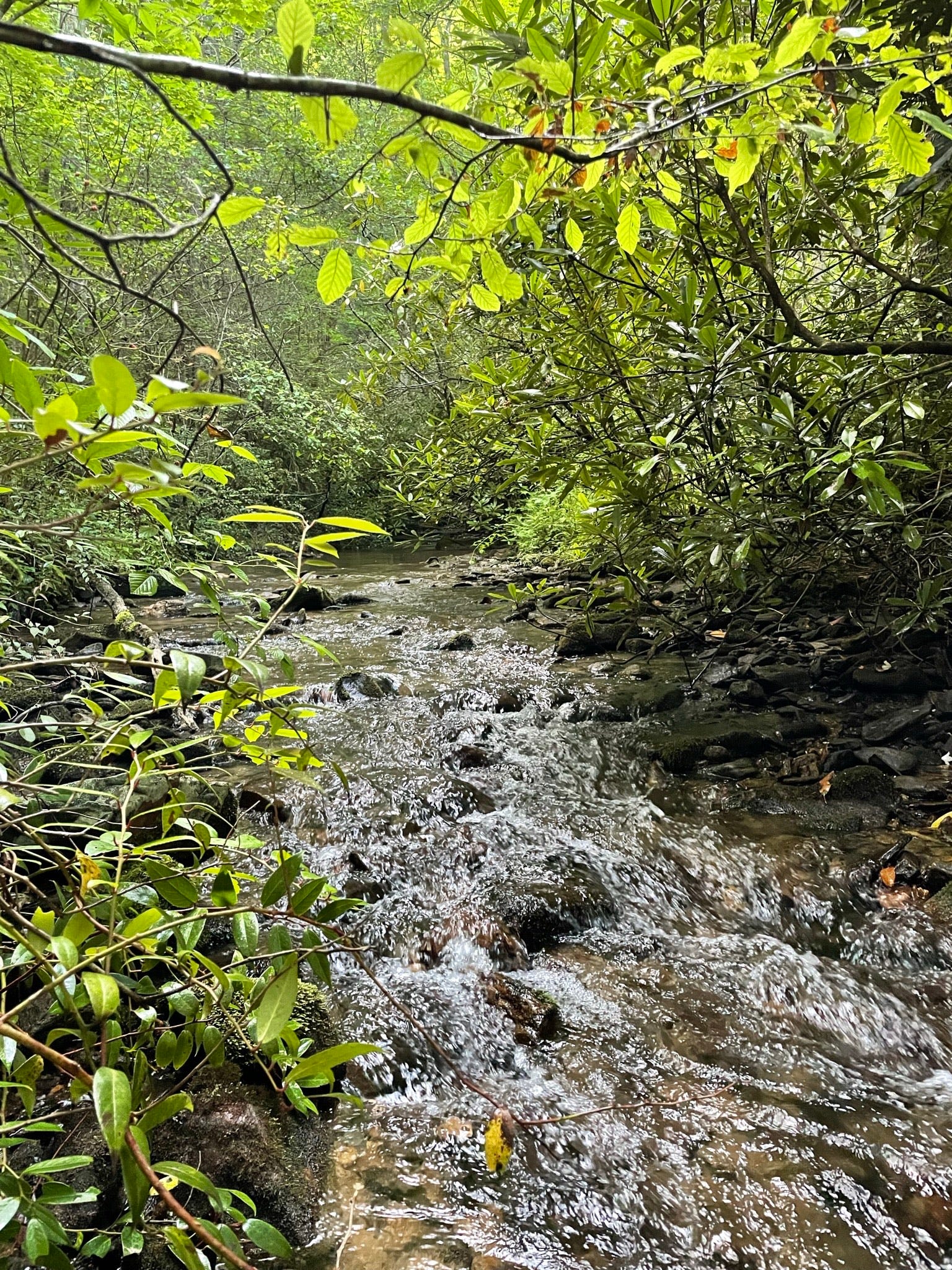
Down, down, downstream, this creek runs into Hominy Creek, which pours its waters into the French Broad. It’s a familiar joining, where those two come together — a place my sister and I wind up sometimes on our river journeys, watching birds and fish and the rush of water over stone as we float on paddleboards in the mighty French Broad in the summertime.
The river has other names. Most of these names I will never know. I often find myself calling her something dear. Beloved. Grandmother. Home.
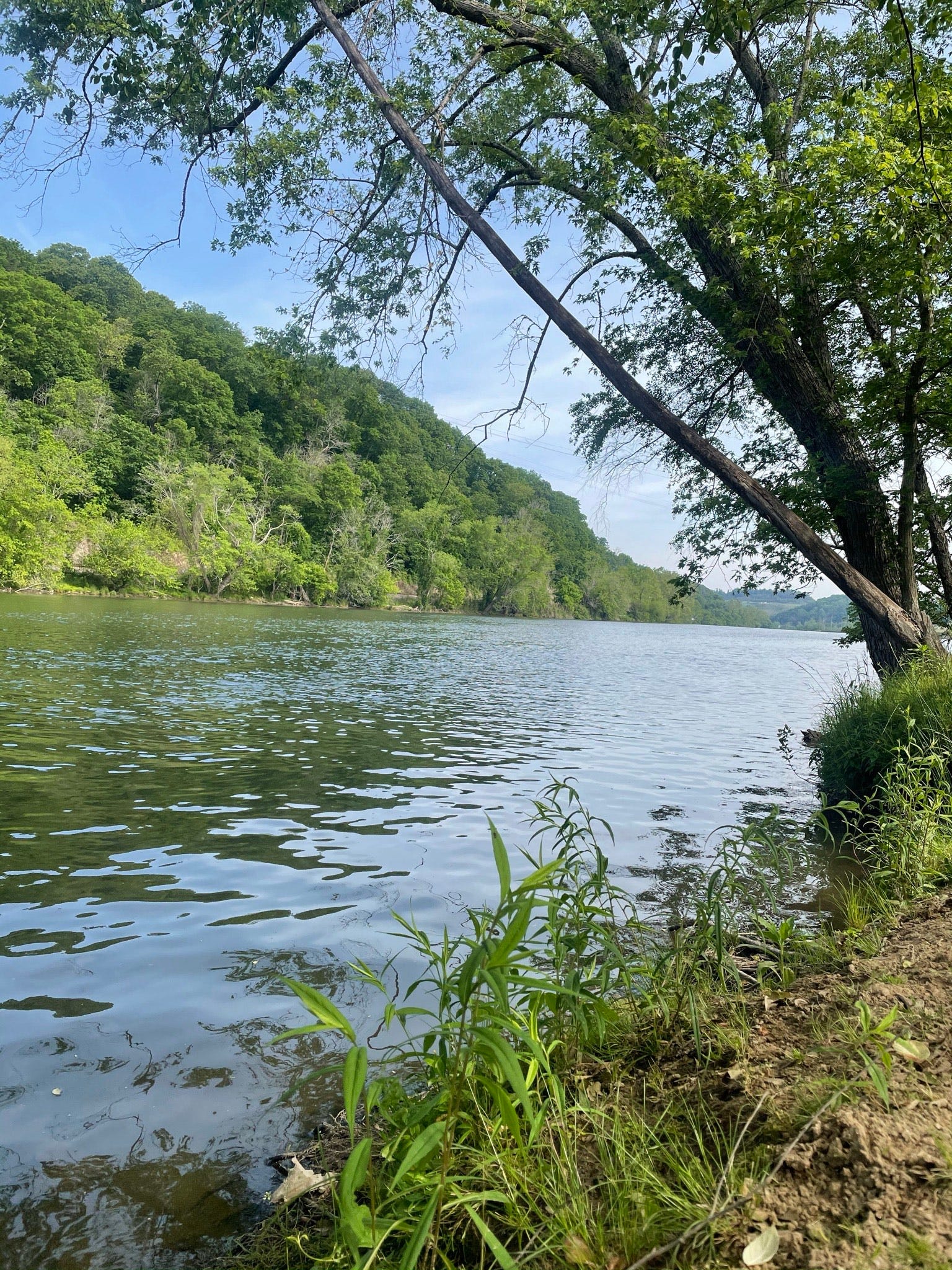
This river has held me.
Down, down, downstream from that joining I told you about, where Hominy Creek meets the French Broad, the river still carries those messages from the mountain up above my home along with many others. Here, past this bend and that, under bridges and across beds of stone, the mighty river flows alongside the wastewater treatment facility, series of shops with chemical reserves, and industrial manufacturing plants. These sorts of places exist upstream too, I expect, but these are the lands I know.
And though I feel like I know them, I forgot that when the river became mighty, when it gathered up the water from its massive watershed into this great valley where towns and cities and lives have taken shape, when those waters included rain for days — inches beyond our imagination, soils saturated beyond theirs — the river would break the walls of those facilities and shops and plants and take their goods with it. When the rains came, the river did just that.
—
From before the sun rises to well after it sets, communities are entirely focused on recovery of people trapped, isolated, and lost; resourcing folks with necessities like water, food, medicine, diapers, and cooking fuel; loving on people with every opportunity; saving lives over and over again.
All of this in the places where the same rich mountain soils that rest beneath my feet at home met the vigor of other streams, creeks, and rivers and rushed around and into and through dwellings, crashing tractor trailers into homes and lifting cars into trees.
Other rich mountain soils were loosened with water and began to fall down their mountain faces until they came crushing through windows and across roofs, saturating homes and stealing the breath of unsuspecting people.
The wild earth that continued downstream is now inundated with waste and oil and chemicals. Most places outside of this holler are seeing damage not just from mud and water but from toxic remnants that will hold and hold. The generations after us will know their impact. And that is nowhere near the most pressing thing.
—
The creek at home today is as usual — sweet, gentle, cold. But eight days ago it raged and changed this place forever.
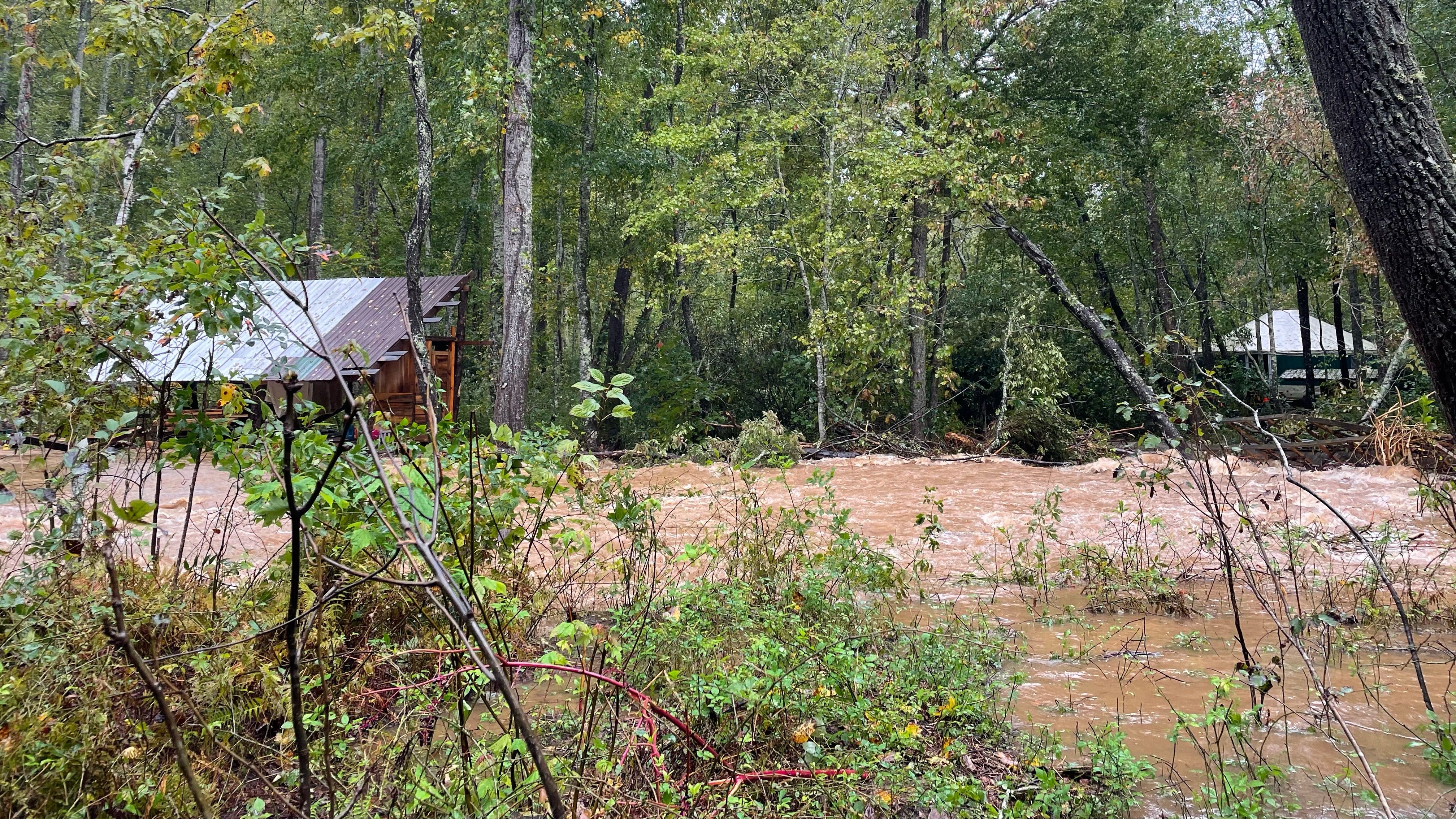
People ask why folks stayed, how we ended up in this crisis. There was rain in the forecast, after all. As though the wrath of a storm this massive could be the fault of those who live in its path. More on this later, I expect.
Today I’m writing this sort of introduction to a series of what this journey looks like from my brokenhearted, tender, hopeful lens.
As I write, my feet rest on soil and silt brought down from way up in the mountains. I’m taking this moment to restore myself to return to a world minutes away that is presently entirely dedicated to finding ground.
If the Appalachians have held you, if the waters here have blessed you, if you have received medicine from this place and it’s people, keep us in your hearts. Please support the people of these mountains if you can.
—
It’s about to get cold in WNC. Please prioritize these on-the-ground initiatives to get life-saving supplies directly to people today.
Venmo @BeLoved-Asheville
Rural Organizing and Resilience (Online) or Paypal
If you want to make sure your money gets to an individual or organization who needs it today, you can Venmo me @graham-wesley and I will direct those funds where there is urgent need.
Thank you, Graham. I donated to ROAR. We’ve been thinking king of you! 🙏🏻❤️
🩷🌿🩷🌿🩷